


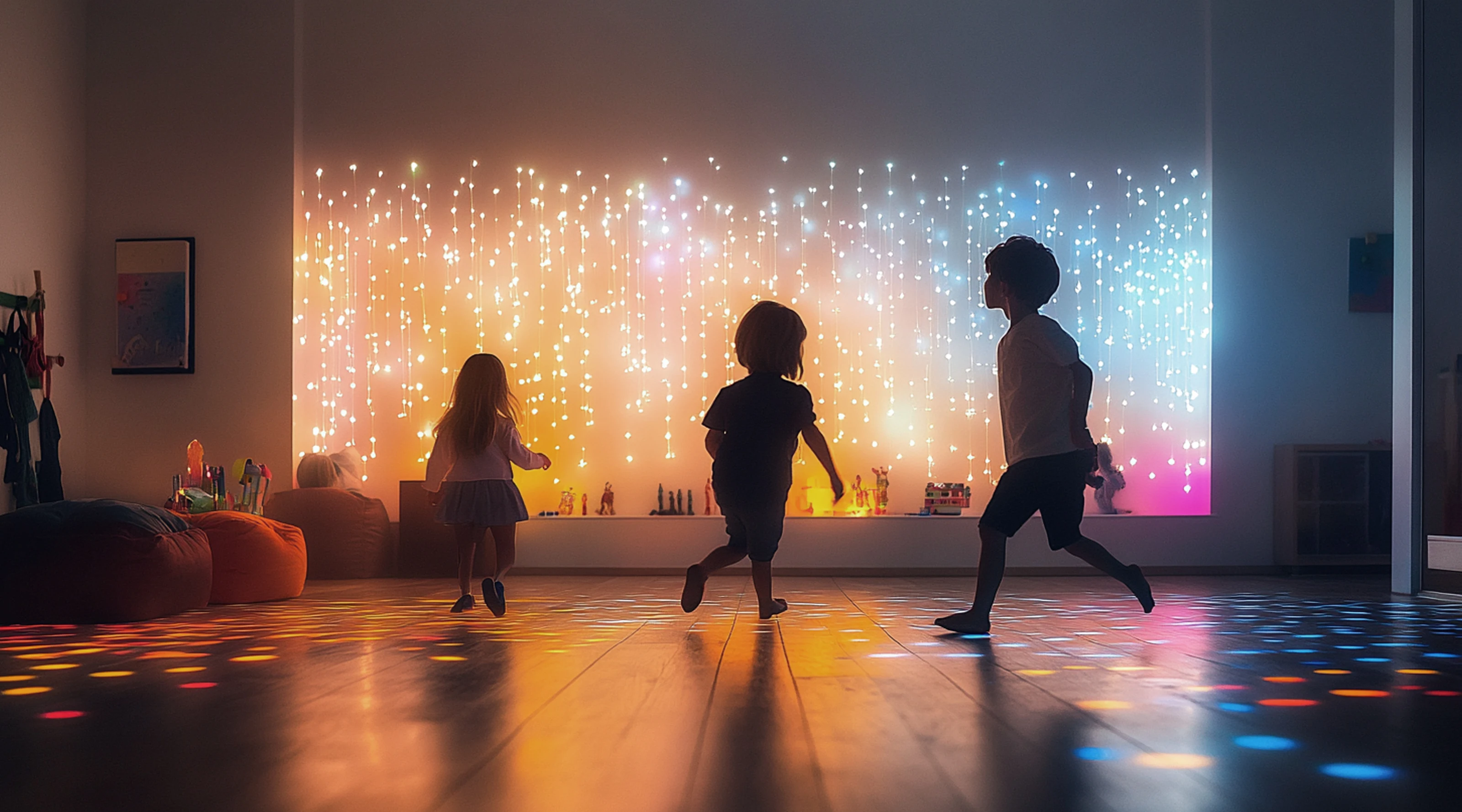
Technology companies have delivered extraordinary AI capability. Yet across every sector, the same pattern repeats: impressive demonstrations, disappointing adoption. The problem isn’t technical. It’s human. And it’s a design problem.
.webp)

Every technology company at IFA 2025 faced a version of the same challenge. Billions have been invested in AI capability: machine learning, predictive algorithms, adaptive interfaces. The engineering is, by any measure, remarkable. Teams have delivered AI performance that seemed impossible just a few years ago.
Yet the reality on the ground tells a different story. Voice assistants with sophisticated processing get bypassed for basic timers. Smart city systems sit underutilised. Connected platforms get switched off in favour of manual controls. The industry has invested enormously in making technology smarter. It hasn't yet solved the relationship between that intelligence and the humans it's designed to serve.
Walking the halls at IFA 2025, the scale of the challenge came into sharp focus. Across every category, consumer electronics, connected home, wellness technology, mobility, companies had delivered genuine breakthrough capability. The distance between what technology can do now and what it could do five years ago is remarkable.
But a different distance was unmistakable: between what a product does and what a person understands it to do for them.
Companies were showcasing sophisticated AI while being genuinely uncertain how to explain what it actually does for people. The word "smart" has reached saturation. It appears on everything and communicates nothing. Even established, well-resourced companies seemed unsure how to turn their AI investments into products people actually want. The result was a strange collective holding pattern: hesitant to commit to how AI should feel and function, waiting for someone else to figure it out first.
Those same people readily spend thousands on physical AI: smart appliances, connected devices, AI-powered products they can touch, hold, and trust.
The difference isn't the underlying intelligence. Digital AI feels disposable. Physical AI, when done well, feels essential. That distinction is not determined in the codebase. It's determined by physical form, interaction model, and the sensory experience of the product. By design.
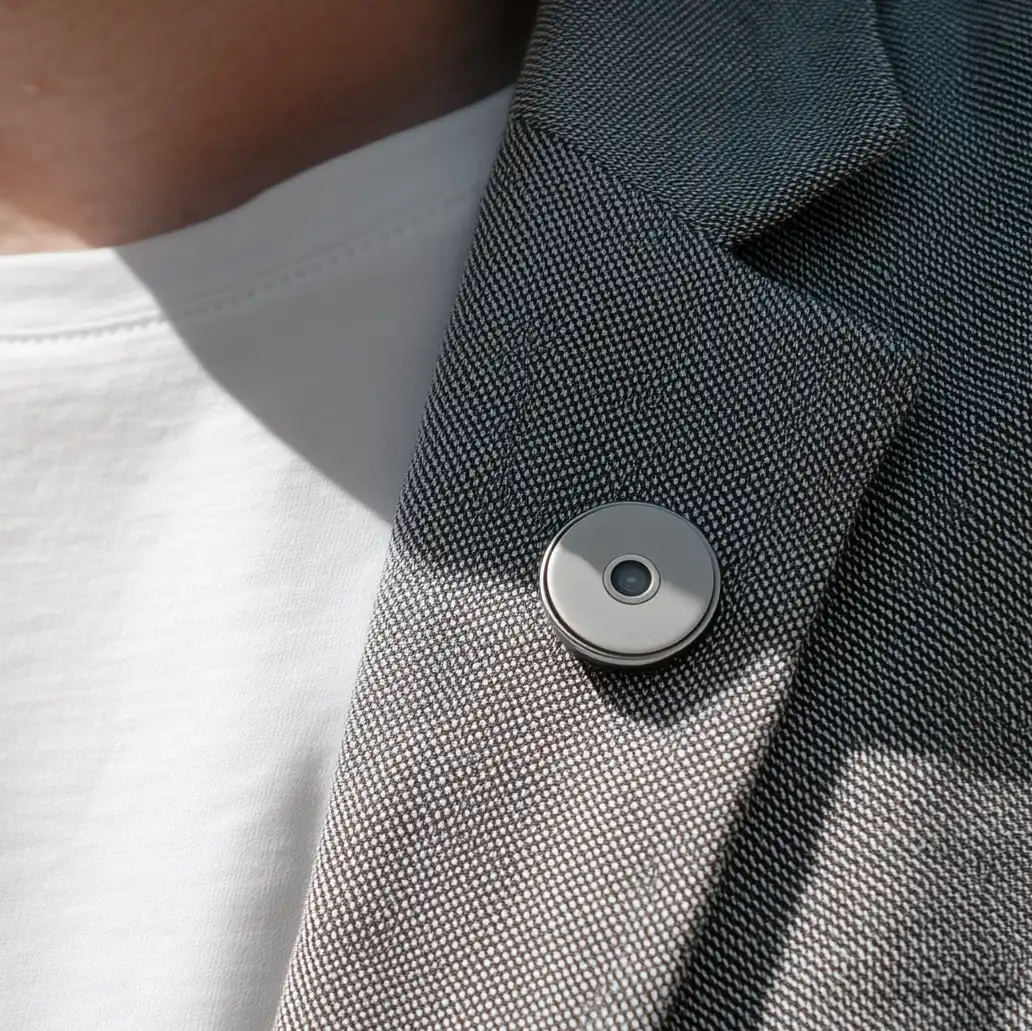
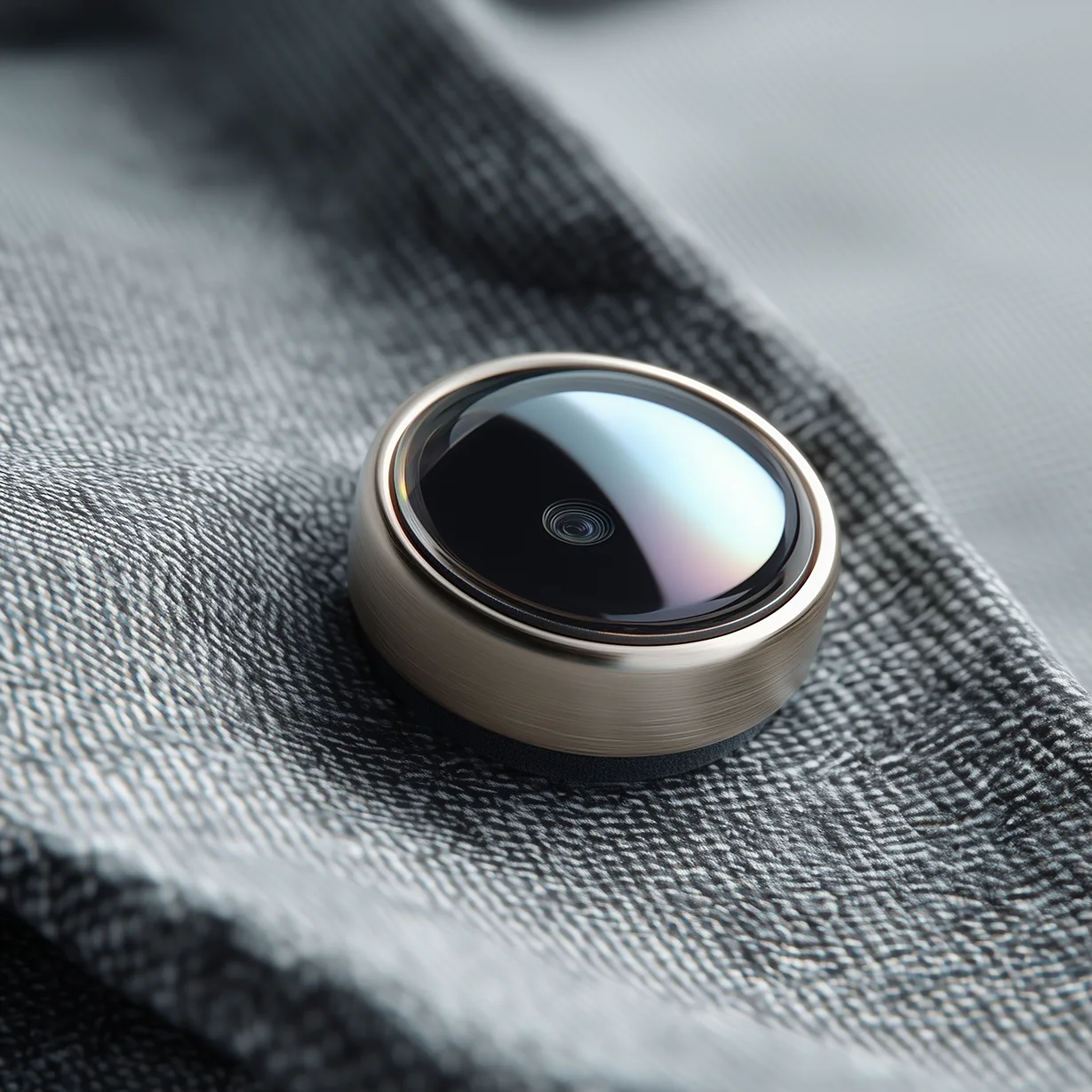
For years, the technology industry organised itself around a single question: who has the best algorithm? That race is effectively over. Computational sophistication has become a commodity. The AI capabilities available today, even to smaller organisations, would have been unimaginable a decade ago.
The question has moved on. It's no longer whether the technology works. It's whether the technology feels right.
AI adoption will ultimately be determined by whoever prioritises human behaviour alongside computational sophistication. Engineering rigour remains essential. It is no longer sufficient. The gap between breakthrough technology and market success is human. And closing it requires understanding how trust is built through form, how complexity is resolved through interaction, and how abstract capability becomes tangible value.
The advantage that comes from solving this first is not simply about being early. It's that trust, once earned, compounds. Products that feel right generate sustained engagement that no specification sheet can manufacture.
Winning isn't having the most sophisticated algorithm. It's having the most effective integration of aesthetic design, functional performance, and manufacturing practicality working together. Our own work demonstrates what that integration can close. One smart home platform achieved 10x capitalisation growth, 2x revenue, and 5 million connected homes after a strategic design repositioning. A robotics company secured £150M in board investment not because the technology improved, but because the vision became coherent. In each case, the underlying technology was already strong. What changed was how that technology was materialised.
The holding pattern is not a strategy. Waiting to see how AI should feel and function is ceding ground to whoever decides to figure it out. Someone needs to move beyond specifications to genuine human benefits. Someone needs to give invisible capability a form that people can understand, trust, and choose.
That is a design challenge. And it is one that Studio ISO is built to meet.
