


Design Is The Difference Between Breakthrough And Breakdown.
We transform breakthrough technology into market-leading products people can’t live without.


Your technology is strong. Your team has delivered something genuinely new. But somewhere between the development cycle and market launch, the momentum stalled. Adoption is slower than the board expected. Competitors with inferior technology are winning customers you should own. And the harder you push on the technical story, the less it seems to land.
This is the Implementation Gap. The space between what technology can do and what people actually choose. It is a design problem, and it is more common than most technology leaders want to admit.
Six Problems that Kill
Great Technology
We’ve seen these pressures derail programmes that deserved to succeed. If any of them sound
familiar, you’re in the right place.

problem it solves for people.


Most design processes optimise for one thing. Form. Function. Speed to market. The programmes that fail usually sacrificed two of the three without realising it until launch.
We hold all three simultaneously: what people want, what can actually be built, and what the businessneeds to succeed. That balance is what turns a strong technology into a product people choose.

Human Intuition
We start with what people want and need. Not only what the technology can do. That distinction determines whether a product finds an audience or misses one entirely.

Transforming Complex Technology
We identify what is required to turn breakthrough technology into products you can actually build, manufacture and scale, without losing what made the idea worth pursuing.

Making it Work Commercially
We balance desirability, feasibility and your business goals so that every design decision serves the product’s commercial success, not just its technical ambition.
We use our proprietary Signals Intelligence platform to track and interpret what is emerging acrosstechnology, culture and market behaviour before it becomes consensus. It gives our team and ourclients a shared, evidence-based picture of where things are heading, so strategic decisions are builton substance rather than assumption.
Every product vision we develop is grounded in that intelligence.
By the time a technology trend is obvious, the commercial window is already closing.
The companies that move first are the ones
who saw it coming.
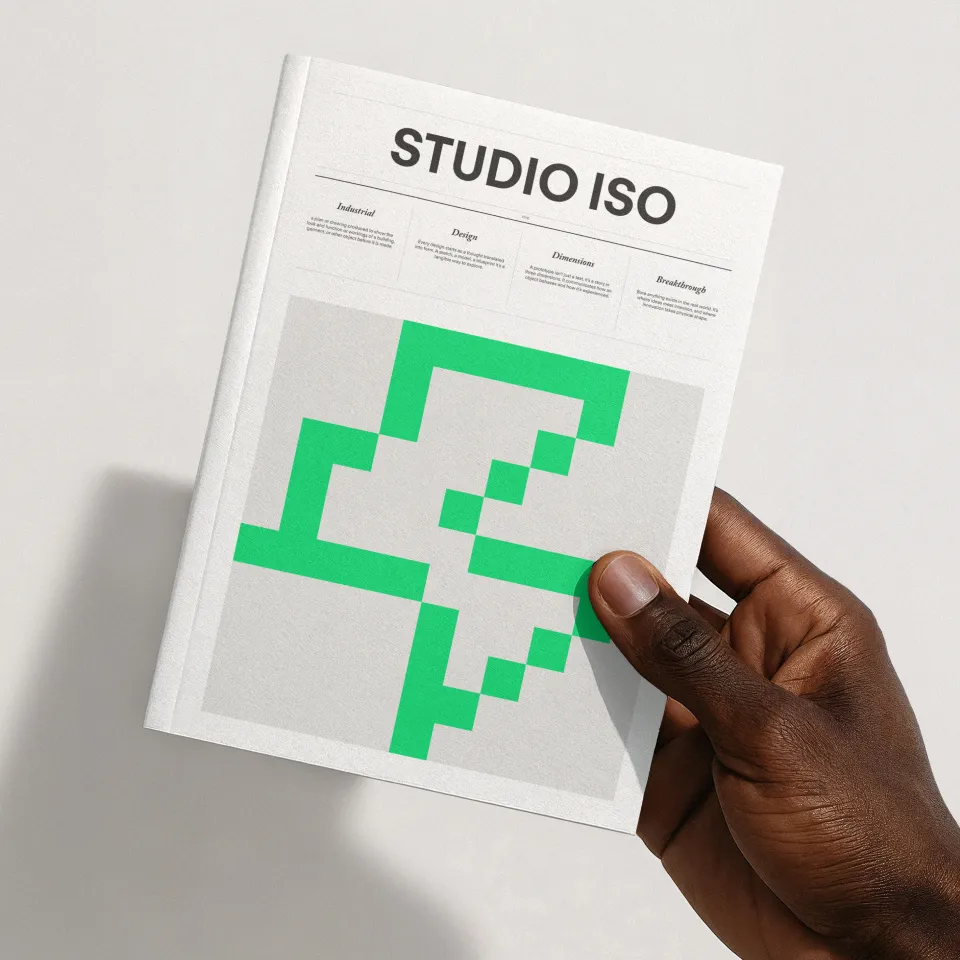
We use our proprietary Signals Intelligence platform to interpret and anticipate what’s on the horizon. The critical gathering, thinking and processing, before the doing.
We ground every product vision in evidence. We identify emerging signals that gives our team and clients a shared, up-to-date picture of where technology, culture and behaviour are heading, so strategic decisions are built on substance, not assumption.